Palaiokastro
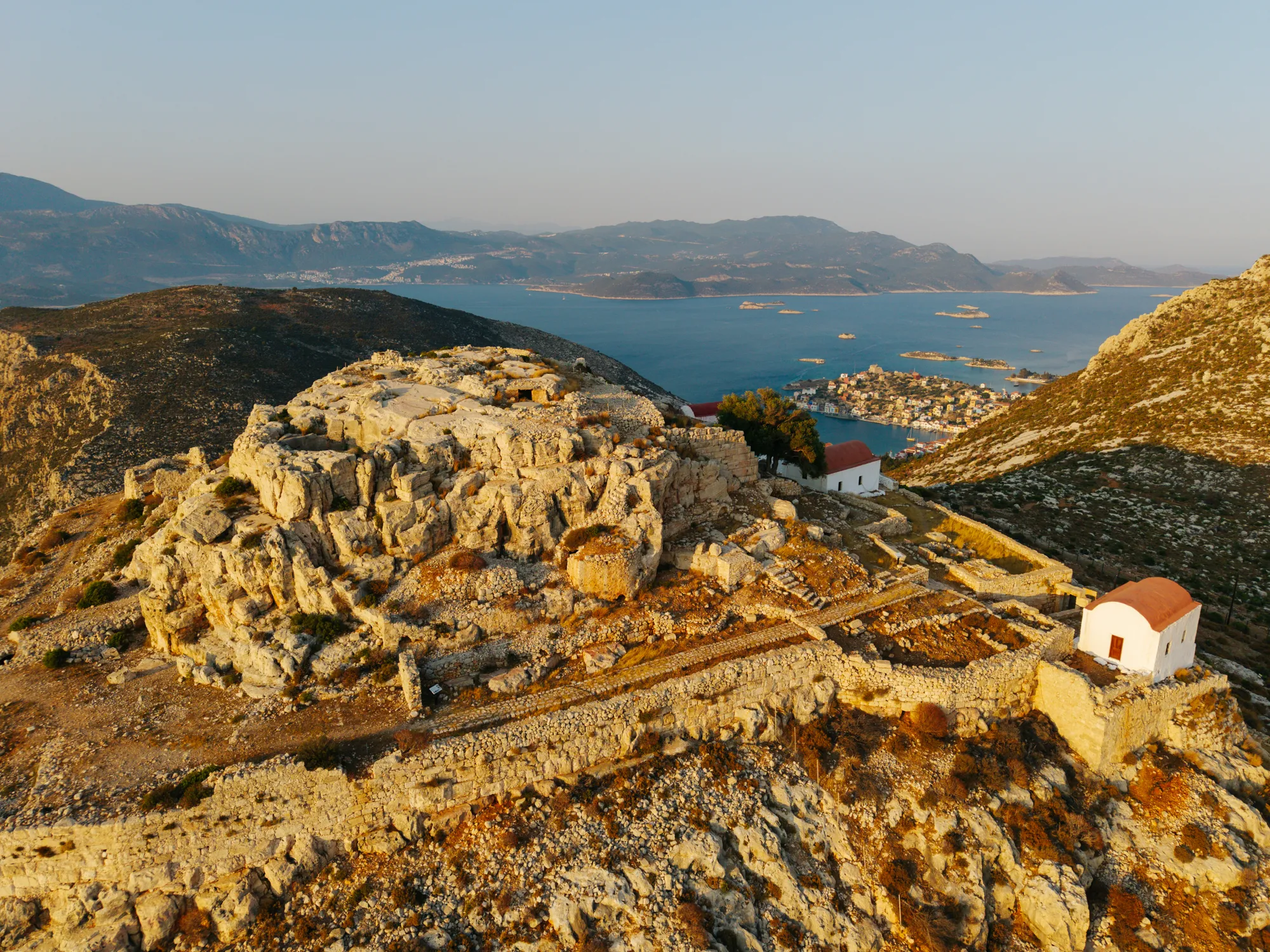
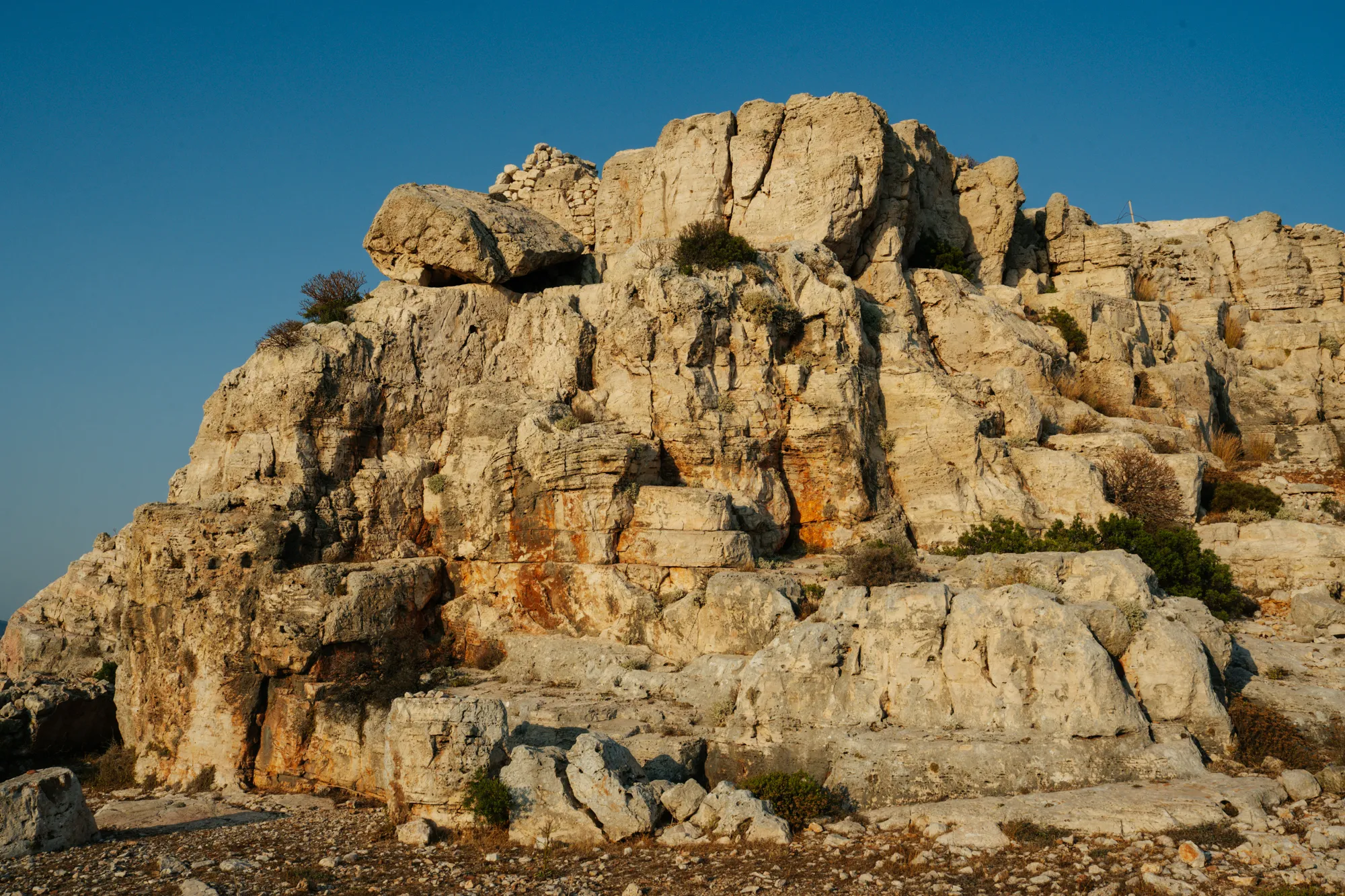
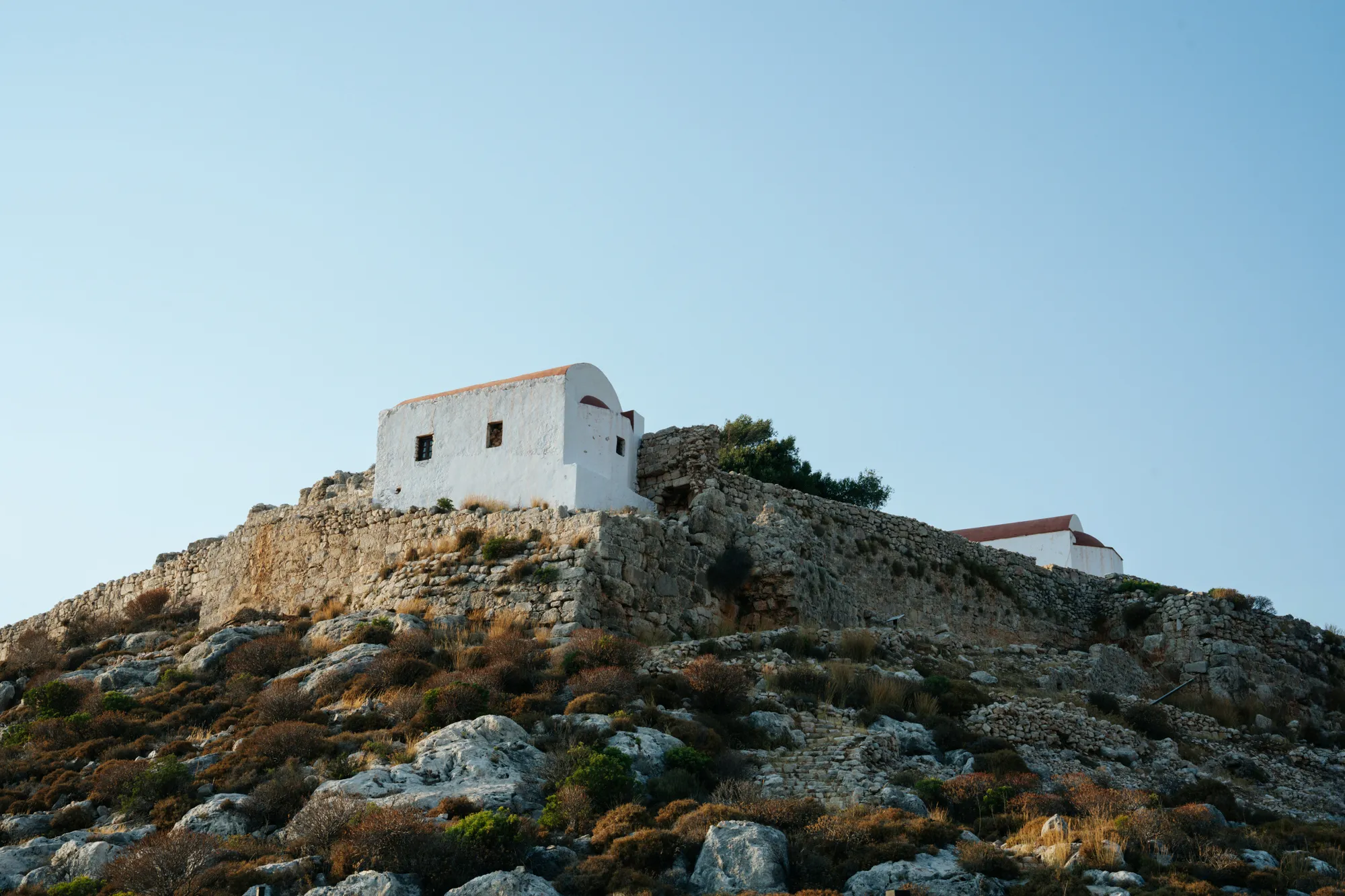
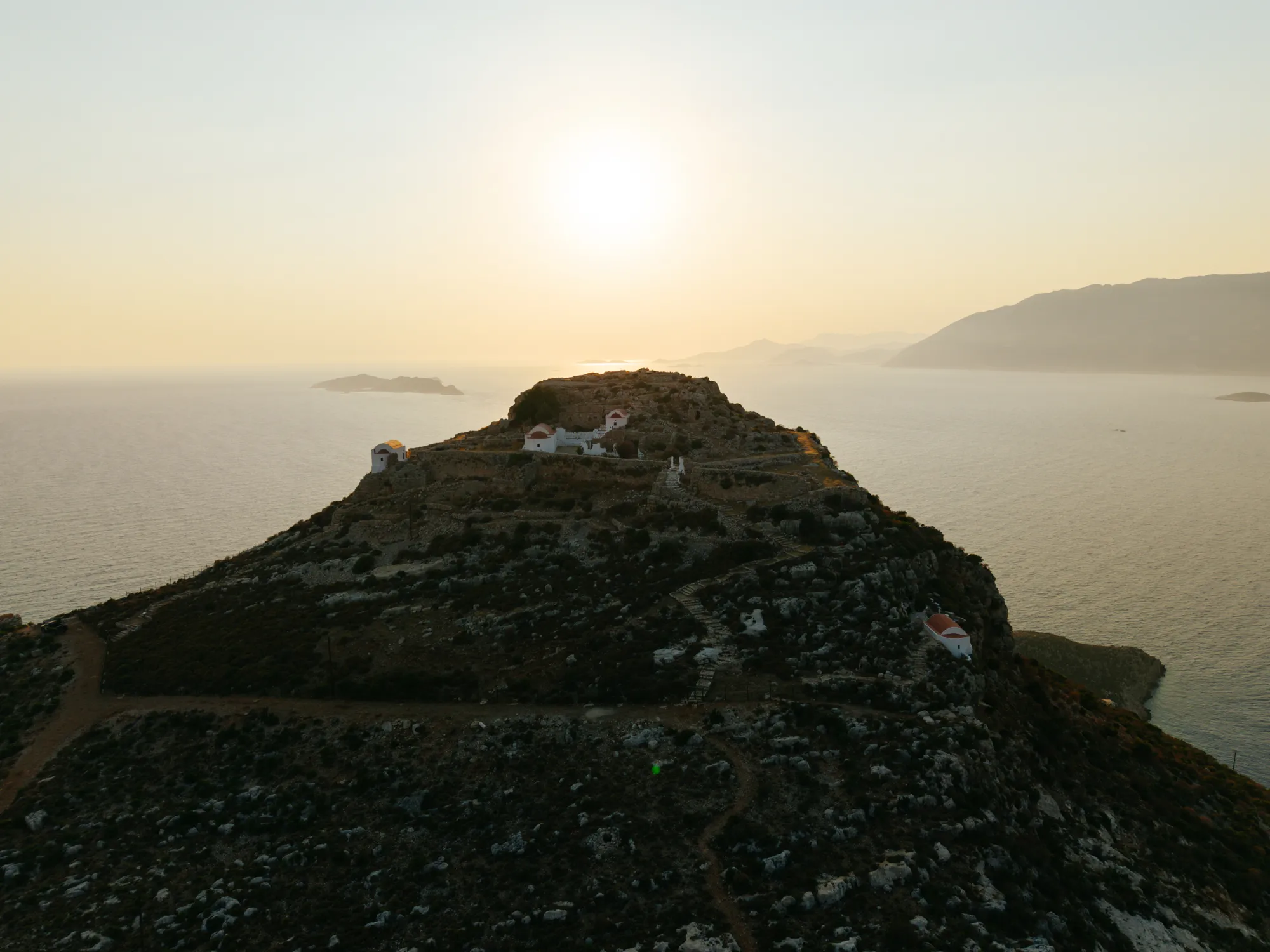
Palaiokastro is the oldest and most iconic monument on Kastellorizo. It is built on the summit of Vigla hill, on the ruins of the ancient Doric acropolis dating back to the 3rd century BC, approximately one kilometer west of the island’s capital.
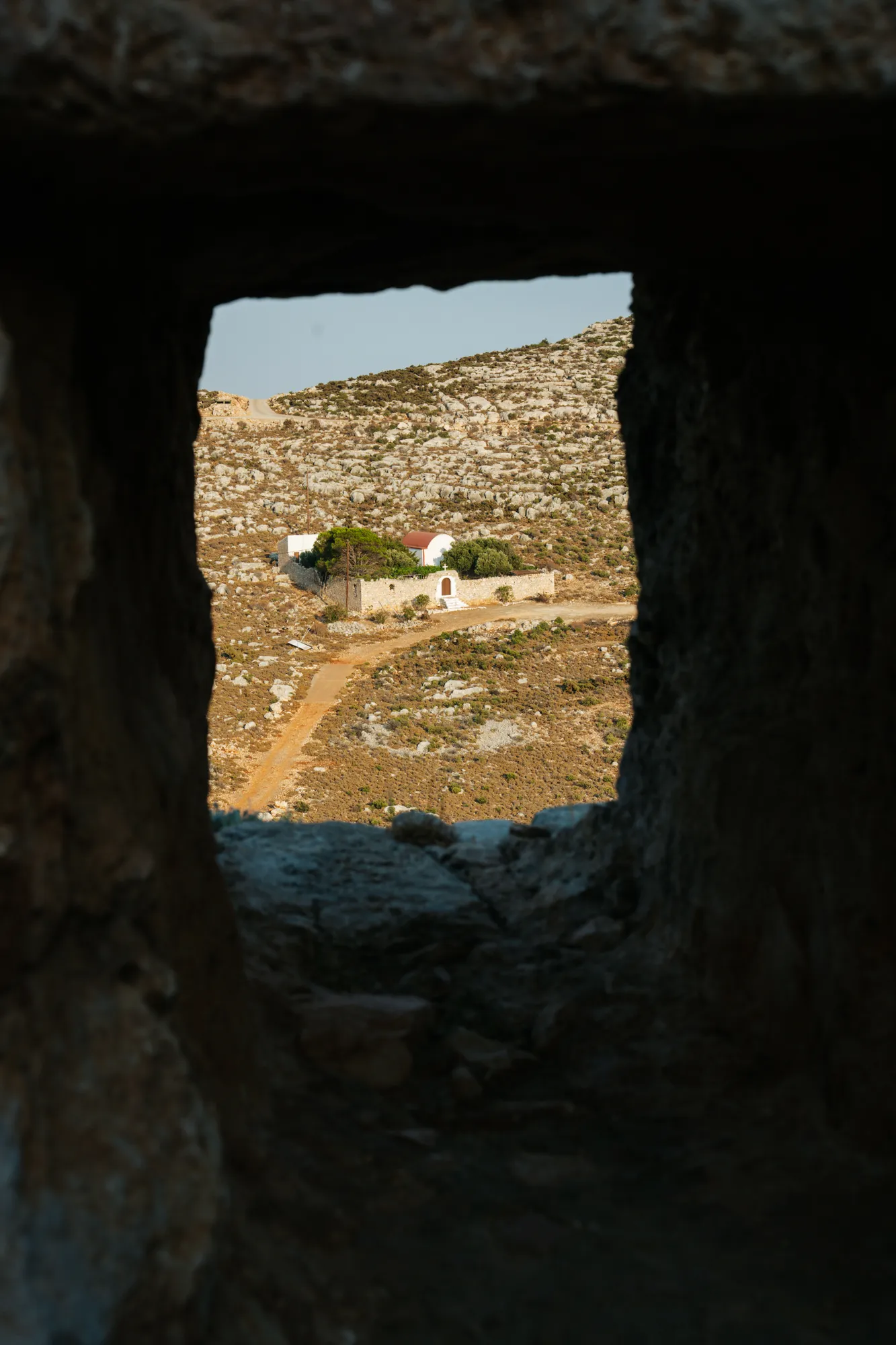
The site was continuously inhabited from antiquity until the 20th century, including the Italian occupation period. In the 14th century, it was also used by the Knights Hospitaller, although they made no major alterations. Later modifications were carried out by the Italians, particularly during World War II, when observation posts and gun emplacements were constructed.
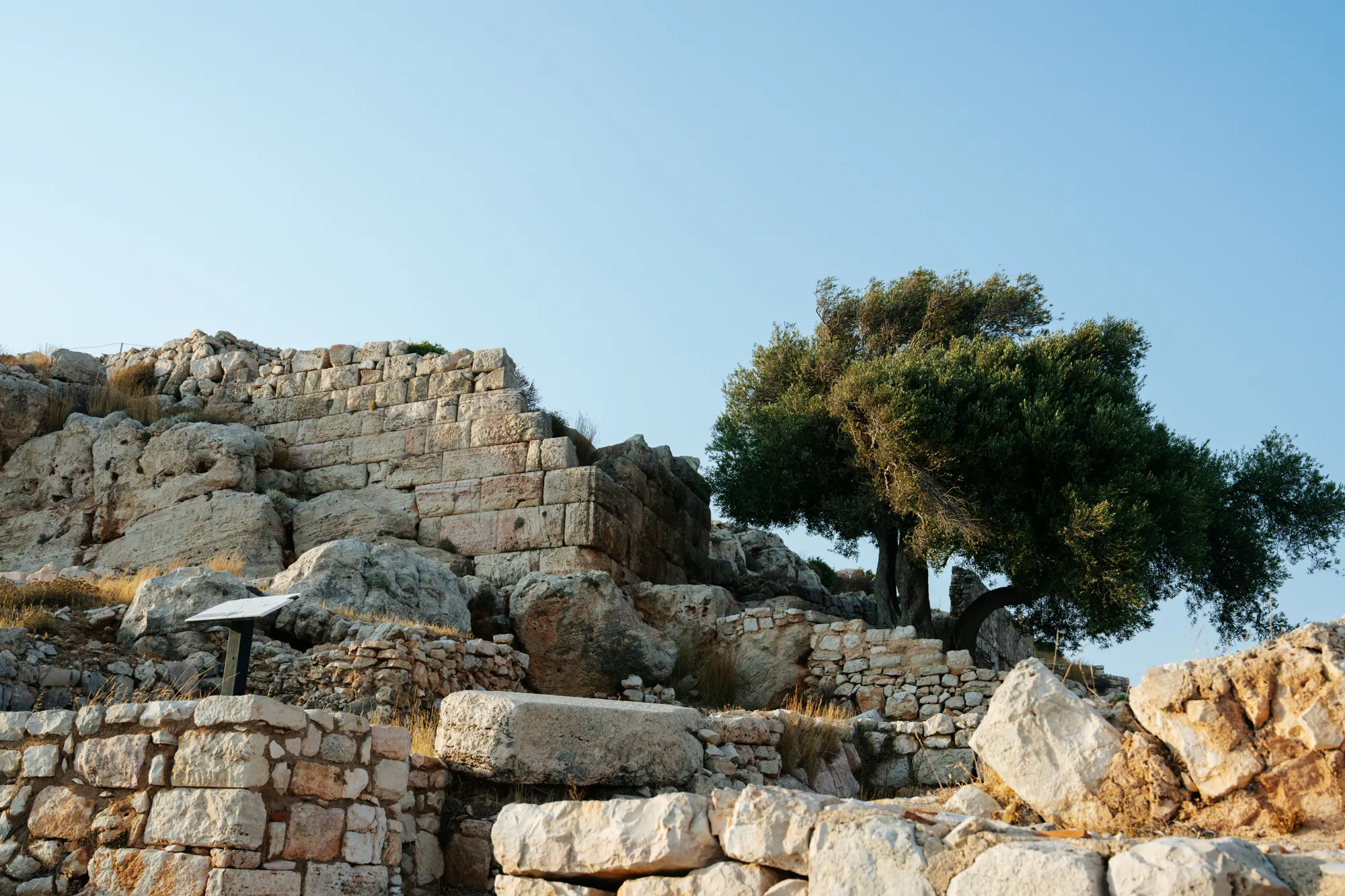
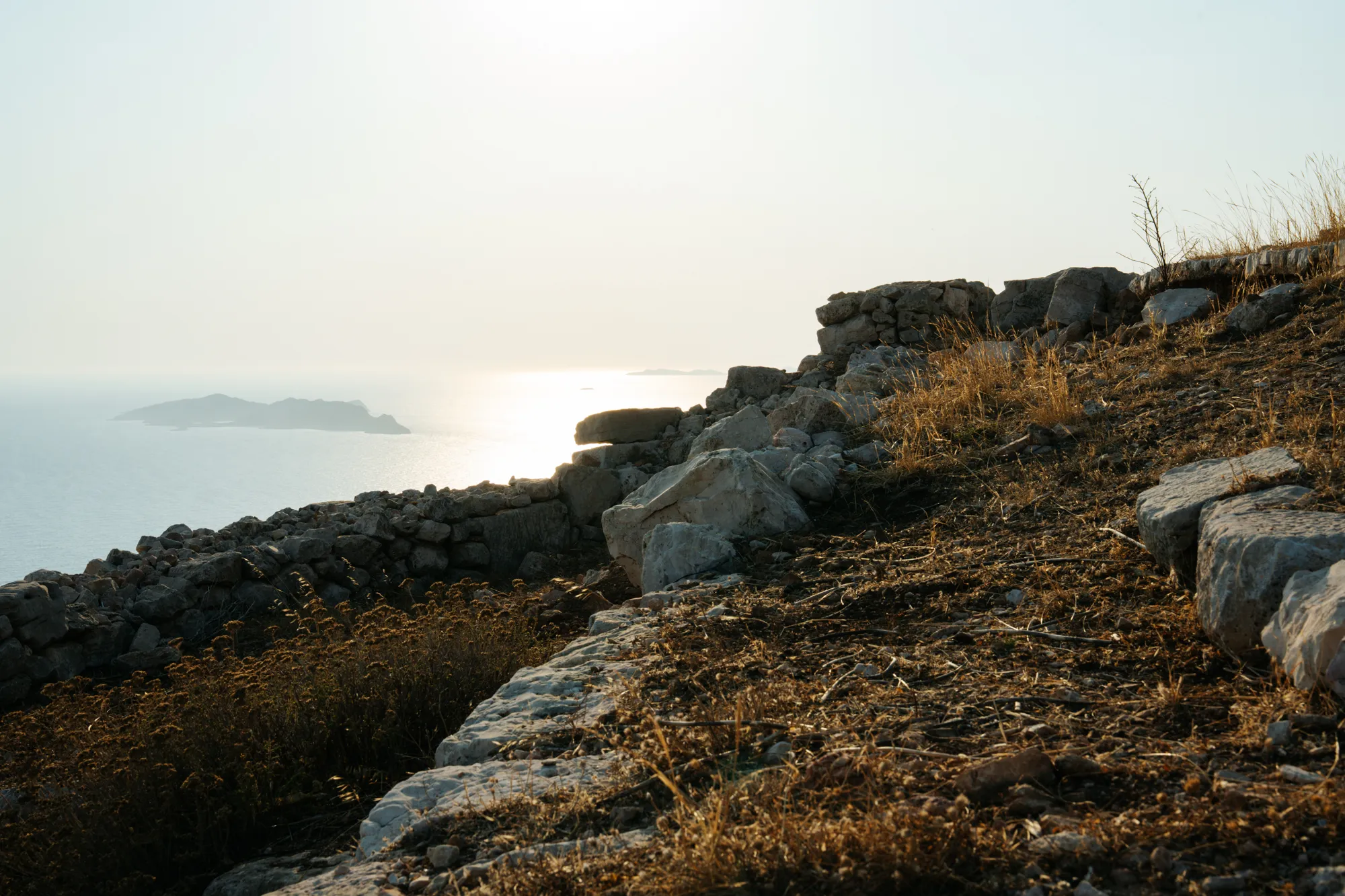
Remains of the Hellenistic fortification are still well preserved. The walls are built with large rectangular limestone blocks in an isodomic system and are reinforced by square projecting towers. Sections of the medieval fortifications with later repairs are also visible.
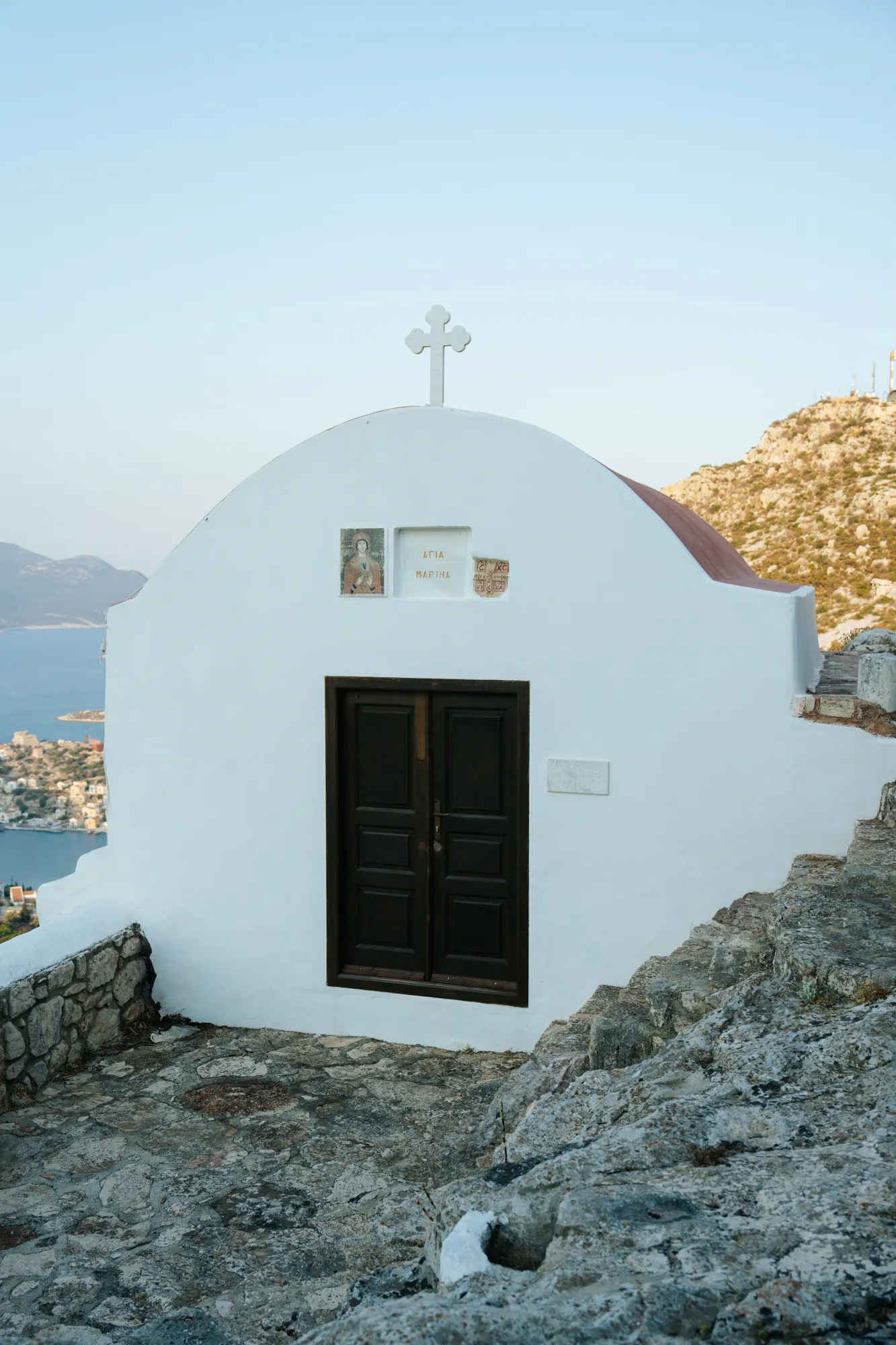
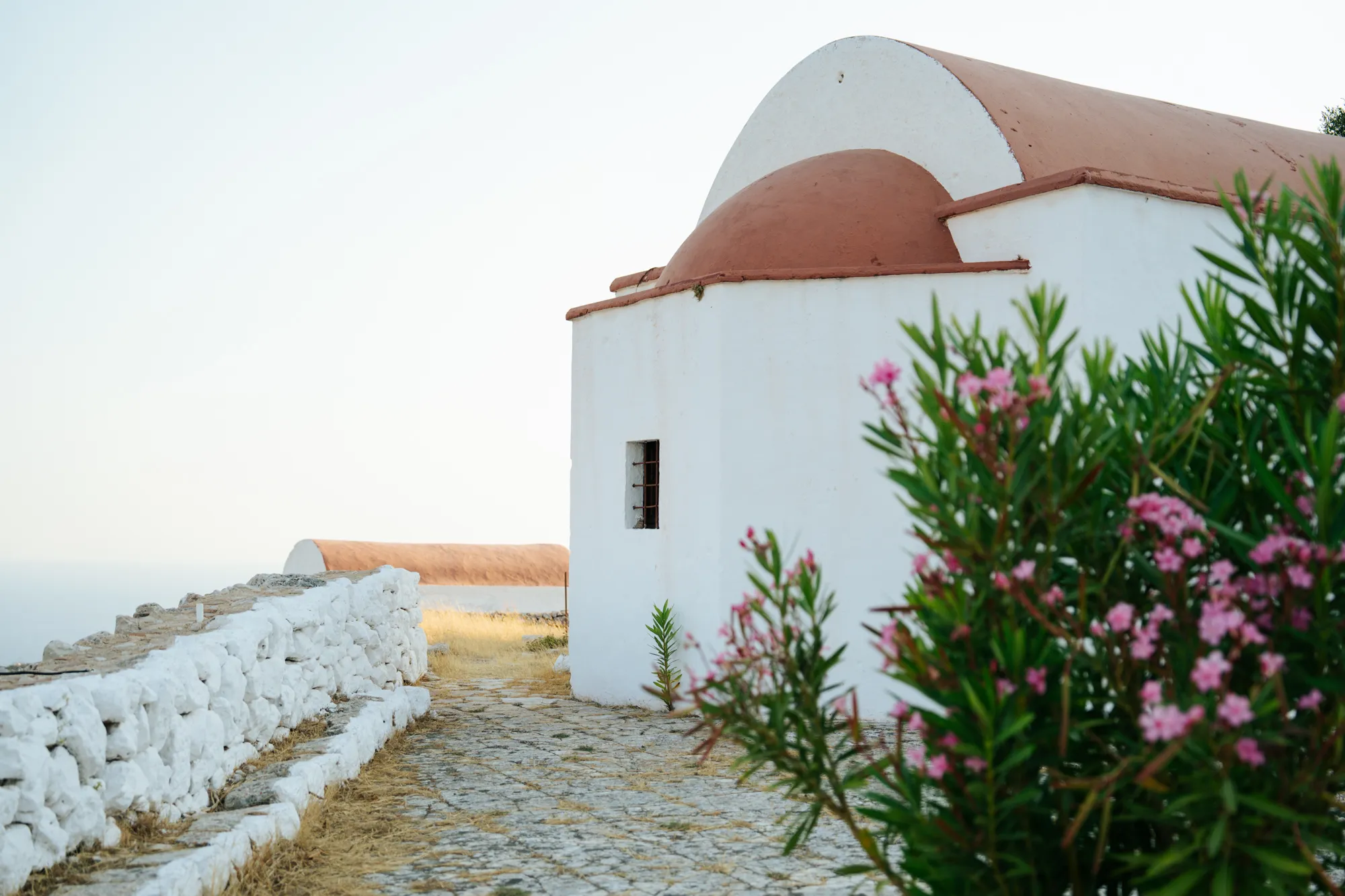
Within the acropolis, there was once a settlement with houses, cisterns, and middle Byzantine churches. Today, remnants of these structures survive, along with the churches of “Panagia tou Kastrou”(Holy Mary of the Castle) and Agios Stefanos, connected by a pebble mosaic floor dating to 1858. Impressive rock-cut cisterns can also be seen.
Nearby, at the site of Limenari, lie the remains of Cyclopean walls, while an inscription bearing the name “Megisti” has been found in the Doric acropolis.